Table of Contents
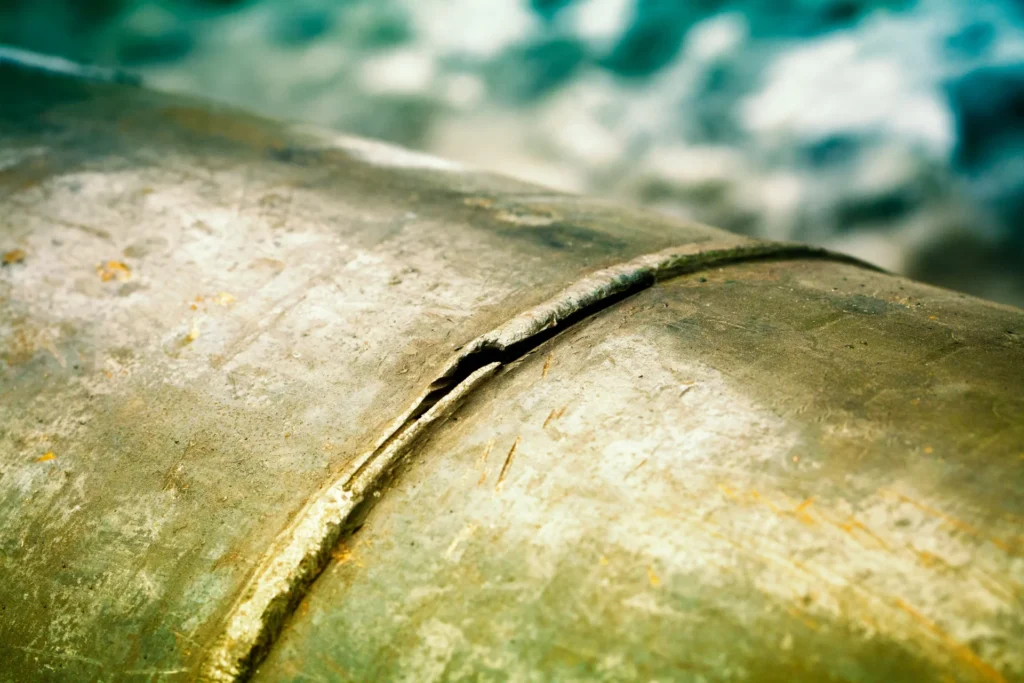
When metal interacts with extremely cold temperatures, it is more prone to cracking, whether during welding or after the entire piece has been assembled. Even the most durable equipment and metal types are susceptible to thermal cracking after a piece is transported or welded at a warmer interior temperature. Maintaining your equipment through the winter or during less-than-ideal temperatures will prevent you from needing to complete constant repairs or equipment replacement.
What Is Thermal Cracking In Welding?
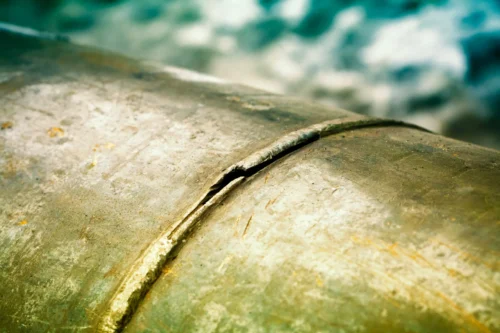
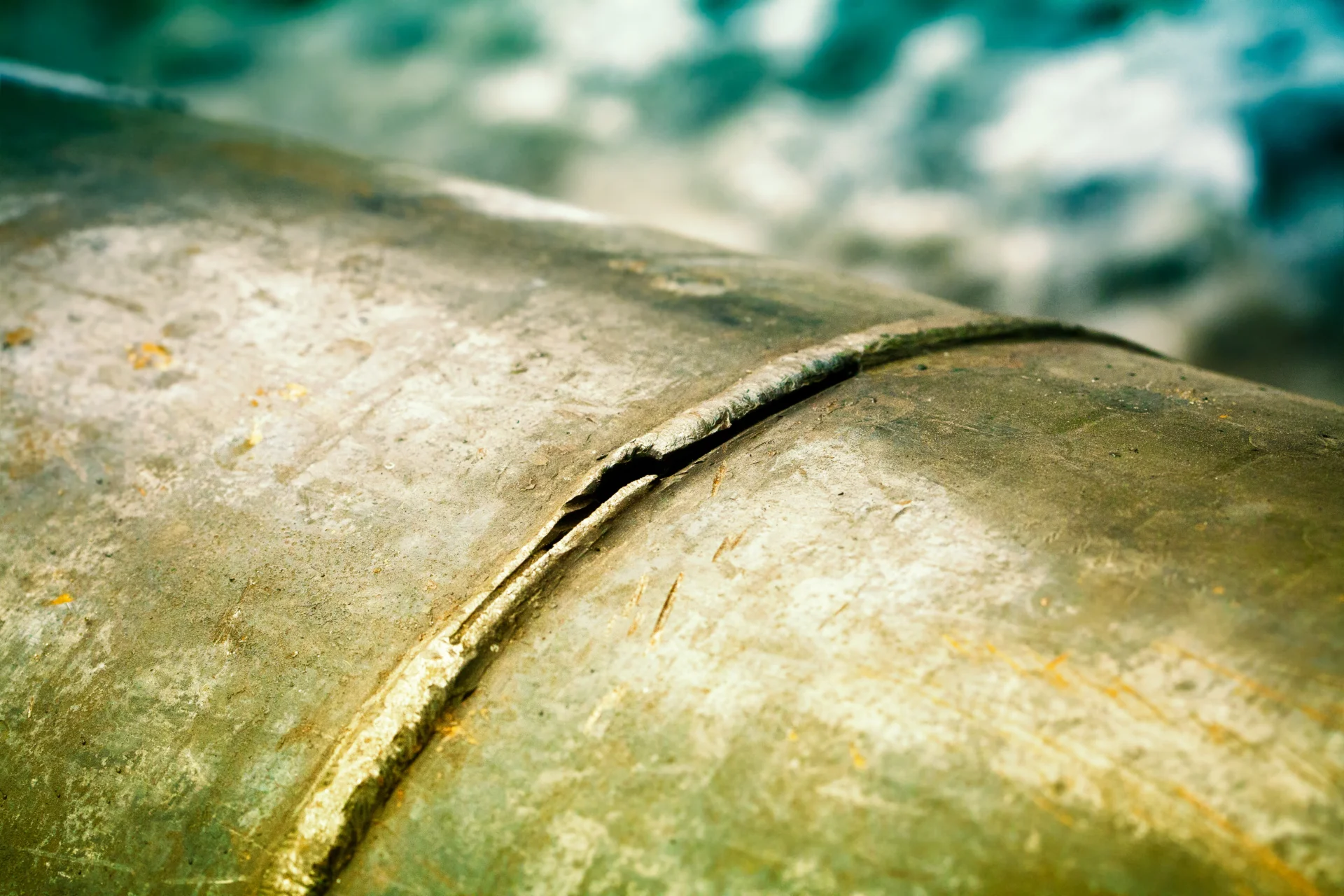
Thermal cracking mostly refers to cracks that form in the welded metal or in a nearby area due to thermal stresses. Heat-affected zones (areas near the weld that were not directly heated but are affected by the hot welder) can also cool rapidly, leading to a stress crack. As a weld cools and solidifies, cracks may also form if the exterior temperature causes the weld to cool too fast.
Not only can this be a problem for welders who are currently working on a project, but thermal stress can also affect a larger piece. If the metal is not equipped or prepared for colder temperatures, it could lead to a complete system failure. Here are some ways you can potentially prevent or reduce the risk of thermal cracking during and after welding.
Preheating Or Post-Weld Heat Treatment
During the welding process, preheating the metal pieces before welding them together can prevent a temperature spike that leads to cracking. This also lowers the cooling rate, which will reduce the contraction stresses as your weld solidifies.
Post-weld heat treatments are when a heat source is applied after the weld is completed to help the metal structure relax as the weld solidifies. This reduces the formation of brittle zones that could crack when the machine is exposed to cold temperatures in the future. PWHT is best used when making repairs or for equipment that will be consistently used in cold climates.
Choose Materials With Matching Thermal Expansion
While it isn’t always possible to choose the metal you are welding, preventing thermal cracking largely starts with the material you are working with. Different elements in a metal will have a direct impact on how the equipment performs in cold weather, or how a weld sets during colder temperatures. For example, carbon is more brittle than other elements, so if your steel or other metal is high in carbon, it will be more prone to thermal cracking. Impurities like sulfur or phosphorus can also lower the melting point, leading to more cracks.
When possible, choose a metal that is low in carbon and has increased manganese, as these will provide stabilization in winter weather. If you must repair a piece of equipment during the cold winter season, make sure to use PWHT or preheat the metal to reduce cracking once the equipment is back in its normal rotation. If a piece of machinery or metal is not suited for cold temperatures and requires a weld to be repaired, it may be best to push off the repair or consider replacement.
Allow Welds To Cool At A Controlled Rate
While preheating the metal is a good way to allow for a controlled cooling rate, containing the work to a more controlled environment can also help prevent brittle areas or improper welds. Allowing a hot weld to cool too quickly or building up thicker areas that take longer to cool could be an indicator of thermal cracking. Welds need to cool at a slow and steady rate in order to solidify pieces together and prevent more repairs in the future. Make sure your welding space isn’t exposed to extreme cold if you want to allow welds to take their time becoming durable.
More About MJB Welding
Welding is a complex and intricate process, where multiple elements and materials need to work together. Working with highly trained professionals will ensure that no matter the project or industry, you will receive competent welds and fabricated pieces. MJB Welding & Fabrication is available to help you with emergency repairs, steel building erection, mobile welds, and more.
Located in Thatcher, UT, our company is proud to serve the Northern Utah community with our industry knowledge. All of our work will stand up to the elements, including the harsh winter weather that is common in Utah. If you are looking for metal that has a longer life and welds that withstand the test of time, reach out to MJB Welding today!