Table of Contents
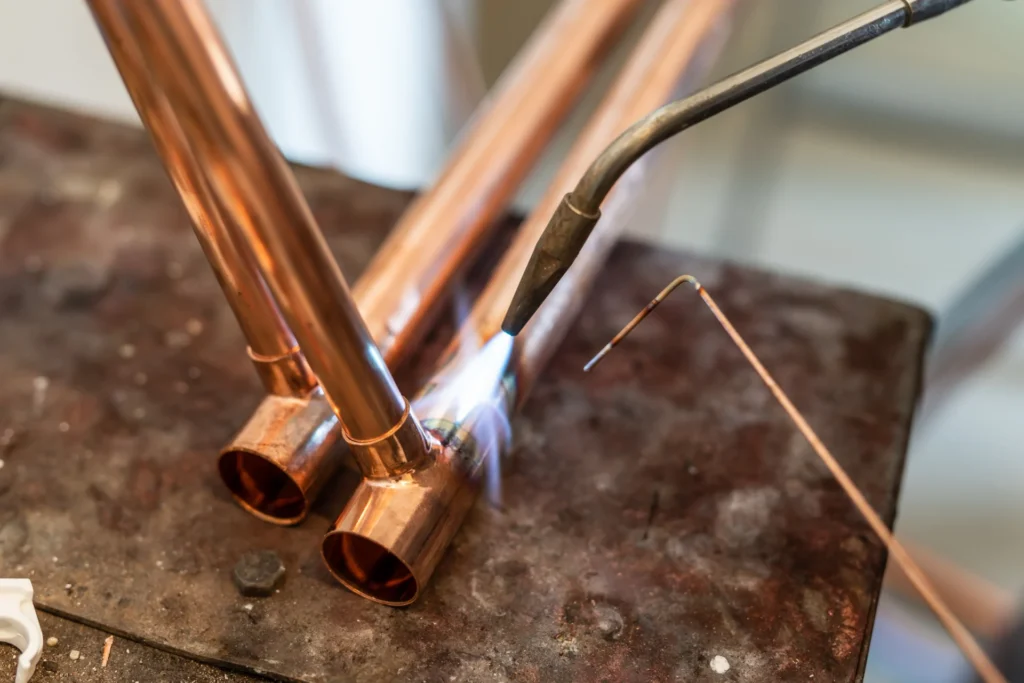
This highly versatile material is common for many different industries because of its exceptional electrical and thermal conductivity. For many welders, welding copper can pose a number of challenges, especially if you are less experienced or have never worked with this material before. There are also many different types of copper, all of which will come with their own considerations before welding. This blog will share why copper is difficult to weld and how you can tackle copper projects with ease.
Common Types Of Copper Alloys
Manufacturers may use copper in either the pure form or in alloys. Alloys have certain altered properties such as strength, machinability, and corrosion resistance. The most common types of copper you may encounter as a welder include:
- Pure copper
- Free-machining copper
- Precipitation-hardenable copper alloys
- Brass (copper-zinc) alloys
- Copper tin
- Copper-aluminum
- Copper-silicon
- Copper-nickel
However, all of these alloys are not able to be welded because of certain properties. Cracking, deterioration, or stress welds won’t make copper alloys any easier to weld than pure copper. Let’s look at some of the reasons copper is difficult to weld.
High Thermal Conductivity
Because copper has a high thermal conductivity, it can be difficult for the weld to penetrate completely into the material without overheating. Copper conducts heat 15 times better than steel, which makes it a great material for many different applications, but it is notoriously difficult to weld. The heat will dissipate away from the joint, meaning that welders may struggle to keep a puddle and achieve a clean weld as the material will solidify too quickly.
Welders can combat some of this conductivity by preheating the pieces. Raising the temperature of the entire piece of metal before welding may make it more malleable and easier to maintain a welding puddle.
Reactive When Heated
Copper is a safe material without being heated, but heated copper reacts with atmospheric gases, making it more porous and leading to oxidation. Some alloys can also develop mill scale after being heated by the welding process. Your copper weld can start to bubble once it reacts with the air, leading to bubbles forming and popping while welding. This reaction can cause brittle oxide layers in your copper material, leading to weak welds.
Using a proper shielding gas while welding copper and cleaning the joints can help protect your welds from reactivity.
Low Melting Point
Overheating your metal can cause a hole in the metal, which is especially common in copper because it has a lower melting point. Overheating and burning through your copper will not result in a proper weld, leading to scrapped material and a longer creation process. For inexperienced welders, burning through metal may be more common, especially if you don’t heat the piece up before welding. If you want to avoid extending the completion time of a project and wasting money on materials, try the other tips we have mentioned before going straight in on your weld.
Thermal Expansion Causes Distortion
Metals will change sizes when they are cold or hot, but the change will depend on the material’s coefficient of thermal expansion. Copper is considered high, which means that it will expand when heated, causing distortion or warping. Clamping the copper before beginning to weld can reduce the deformation and thermal stress. Preheating can also help reduce the cooling rate, lowering the risk of warping.
Toxic Fumes Released During Welding
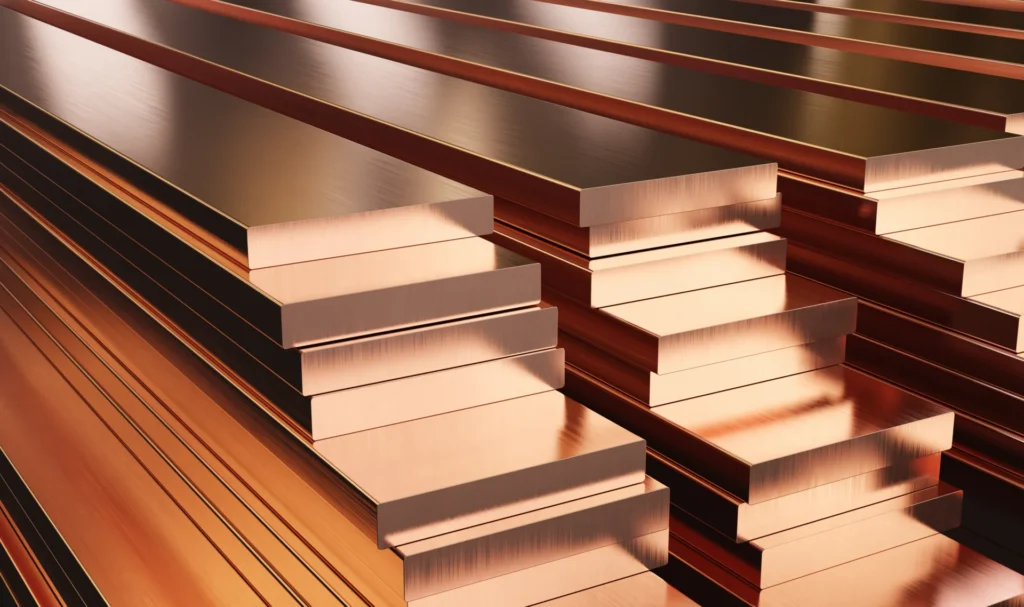
Copper alloys can release fumes when heated, which can be damaging to your health. Burning zinc, cadmium, arsenic, or chromium will form toxic fumes that can cause long-term respiratory problems. Welders should wear a respirator as they work to prevent breathing in toxic fumes or small amounts of metal. Welders should follow OSHA rules and guidelines no matter where they are working. These rules will help provide better safety, insights on PPE, and how to navigate emergencies.
The Best Welding Method For Copper
Once you understand the challenges that come with welding copper, it is easier to adjust your welding process. The best welding process is known as TIG welding, which is best for joining thin or medium copper pieces. This process produces high-quality welds and gives you more heat control. The downside of TIG welding is that it takes a while for most welders to master. It is a slow process to complete each weld, making it a more tedious process even for most skilled welders.
MIG welding is also a good process for copper welding. This method is quicker while still providing more heat control than traditional welding. MIG welding will braze copper, ensuring that the base metal doesn’t melt. Brazing uses a silicone bronze wire to melt around the copper and create a better malleable puddle for welders.
More About MJB Welding
Our skilled team can help you fabricate and weld any project that is needed for your industry. No matter the size of your project, MJB Welding can help you construct and build quickly with aesthetically pleasing welds. Your metal will maintain its strength and durability for a long time when you hire a welding expert. Reach out to us to schedule your project.