Table of Contents

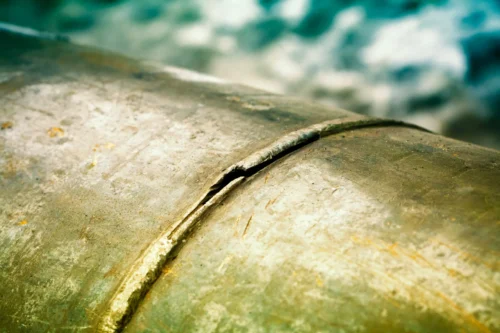
During the welding process, there are chemical reactions that can occur between the hot metal and the oxygen in the air. Coloring next to the weld or in the weld bead itself indicates how much oxygen is present in the weld, but it can also indicate the temperature at which the steel was heated. Contamination, travel speed, and the heat you put on the stainless steel can cause discoloration or darkening of certain welds. This blog will explore more reasons for discoloration, the different types, and whether it can be removed from your welded project.
What Causes Discoloration?
The most common reasons for stainless steel discoloration are heat, oxidation, chromium depletion, cross-contamination, and poor welding techniques. External factors and improper training can lead to problems with welding or fabrication projects down the line. Let’s look deeper at how discoloration occurs.
Heat Oxidation
Steel that is exposed to air at high temperatures can form oxide layers. These layers can be multiple shades of purple, blue, brown, and black. Excessive heat for prolonged periods of time will affect the mechanical properties of the weld.
Chromium Depletion
Chromium gives stainless steel its corrosion-resistant properties, but at high temperatures, it can react with oxygen to form a film and reduce the chromium content in the metal. These areas make it easier for corrosion and rust to form
Cross-contamination
Contaminants or residue that forms during the welding process can increase the chance for oxidation and discoloration to occur. Foreign particles from tools or equipment can impact the integrity of a weld, causing other chemical reactions.
Poor Welding Techniques
Incorrect welds are another reason that improper coloring can occur. Uneven heating and improper shielding gas will cause excessive discoloration.
Does Discoloration Indicate A Problem?
Typically, yes, this does indicate something is off or could become a problem down the road. Discoloration could mean that you have compromised the strength of the metal or the weld itself. Depending on the amount of discoloration, it can indicate that the corrosion resistance is compromised, the protective film has deteriorated, or has created structural weakness. Although discolored welds can cause problems, there is a way to remedy these problems without scrapping the entire piece.
Different Types Of Discoloration
Here are common colors that may occur during stainless steel welding and what they mean.
- Silver or Light Gold: Generally acceptable and indicates minimal oxidation
- Blue/Purple: Caused by overheating and moderate oxidation, and often not recommended if the piece will be used in critical and corrosion-resistant environments
- Dull Gray or Black: Severe oxidation, contamination, or failure of shielding has occurred. This indicates a brittle and poor-quality weld.
- Sugaring: Sugaring results in black or grainy discoloration that will occur on the back of the weld, which will need to be immediately removed.

Removing Discoloration From Stainless Steel
The good news about discolored stainless steel is that it can be removed. Through post-weld treatments and polishing, you may be able to remove some of the oxide layers and return the piece to proper corrosion resistance. Treating the surface with an acid solution can promote the formation of a new protective layer, which can lessen the discoloration and give it more protection for critical builds or machines.
Not all discoloration can be completely removed, especially if it is severe or has gone deep into the piece of stainless steel. Deep discoloration that occurs in the metal can compromise the integrity of the weld, leading to failed inspections on your part or machine. Even if you remove a top layer of discoloration, weak points may still be hidden and could cause major breaks when the metal is put to the test.
More About Stainless Steel Welding From Our Team
Many industries can benefit from welding services from a trained professional. Not all welds are created equal, though, which means that you should execute on hiring a professional if you want to avoid metal damage or discoloration. MJB Welding offers a variety of welding projects and types, including commercial welding, machinery welding, residential welding, in-shop welding, mobile or field welding, and TIG welders. Improper welding can damage your project, causing a waste of materials and loss of time for your business.
When it comes to professional welding, combining multiple techniques may be necessary for a quality project. Our team prioritizes clean, durable, and precise welds, no matter the client or project. Contact MJB Welding to get started on your welding or fabrication project today!